Concrete Slab Installation in North Texas: What Most Contractors Miss
If you’re planning a new home, shop, or barndominium in North Texas, the concrete slab is not the place to cut corners. A smooth finish may look good on day one, but long-term performance depends on what happens before the truck ever arrives: subgrade preparation, compaction, drainage planning, reinforcement, and curing.
In areas like Weatherford, Stephenville, Granbury, Pecan Plantation, and Glen Rose, soil conditions and moisture swings can cause movement. Unless the slab is built on properly prepared ground, problems can show up later.
At 3BW Excavation & Dirt Work, we provide full-service concrete from dirt to foundation. That means we control the ground work and the concrete work under one coordinated scope — reducing risk, delays, and costly mistakes. Learn more about our complete approach here: Concrete Services.
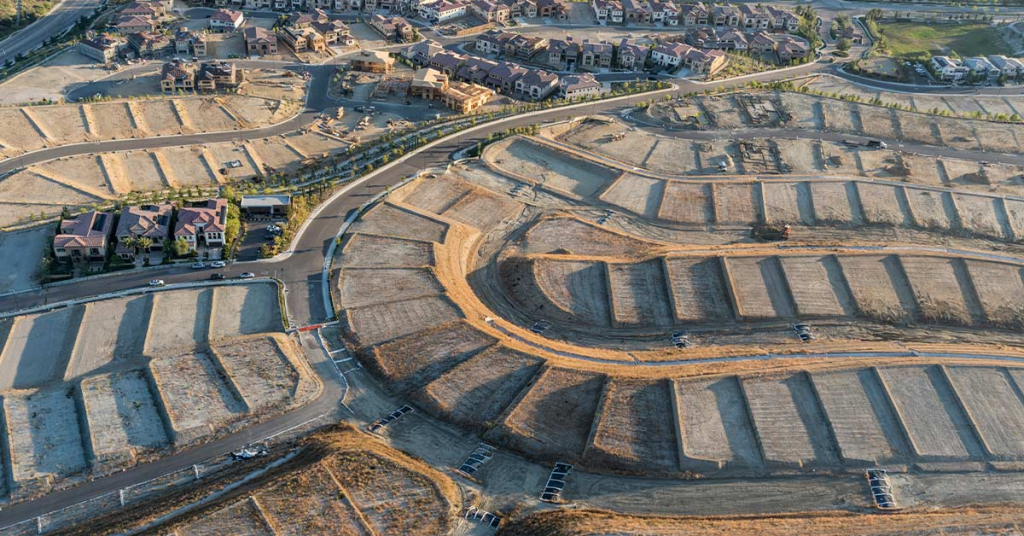
The Real Risk Isn’t the Concrete — It’s the Ground Beneath It
Most slab failures in North Texas aren’t caused by the concrete itself. They’re caused by:
• Poor subgrade preparation
• Inadequate compaction
• Water intrusion
• Improper drainage design
When the soil shifts, the slab reacts. When water pools near the foundation, the ground softens. When erosion occurs, voids form under the slab edges.
That’s why slab work must begin with professional Site Preparation, precise Grading and proper Drainage & Culverts when necessary.
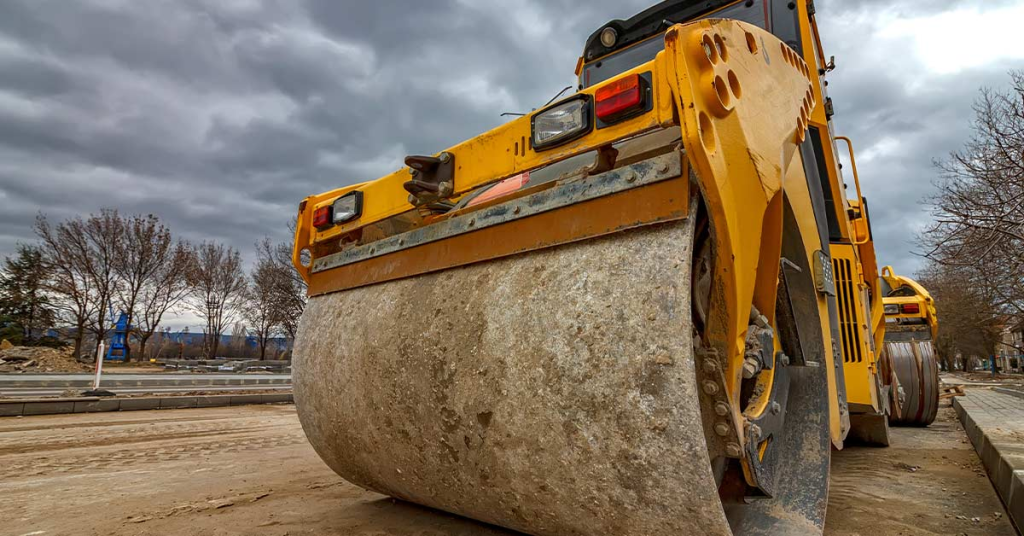
What Most Contractors Miss Before Pour Day
1. Subgrade Preparation and Compaction
In Texas soil, compaction is non-negotiable. The slab must sit on uniform, stable ground. That means removing unsuitable material, importing quality base when needed, and compacting in lifts to proper density.
Skipping this step is one of the most common causes of settlement and slab cracking.
2. Drainage Planning Around the Slab
Water must move away from the structure. The building pad should be shaped to shed runoff. In neighborhoods like Pecan Plantation or properties outside Granbury and Stephenville, slope management can be critical.
Poor drainage today becomes foundation repair tomorrow.
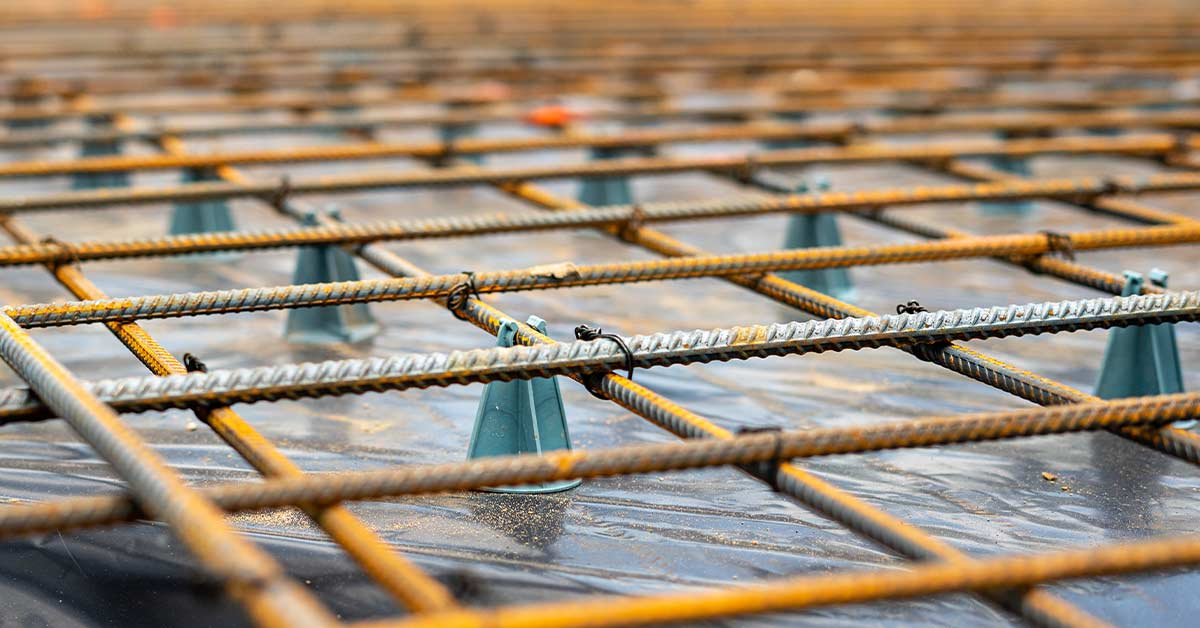
3. Reinforcement That Matches the Structure
Not every slab is the same. A residential home slab is different from a heavy shop floor or barndominium slab.
Rebar placement, spacing, and slab thickness must match:
• Structural load
• Building design
• Soil conditions
Reinforcement controls cracking and improves long-term durability.
4. Forming and Elevation Accuracy
Square corners, correct elevations, and consistent thickness matter more than most realize. Improper forming leads to:
• Framing issues
• Door and window misalignment
• Drainage slope problems
• Interior finish challenges
Precision at this stage protects every trade that follows.
5. Curing and Timing
Concrete gains strength over time. Rushing the curing process can reduce durability.
The American Concrete Institute provides widely accepted guidance on curing and structural performance:
<a href=”https://www.concrete.org/” target=”_blank” rel=”noopener”>American Concrete Institute</a>
Proper curing supports surface durability and long-term slab performance.
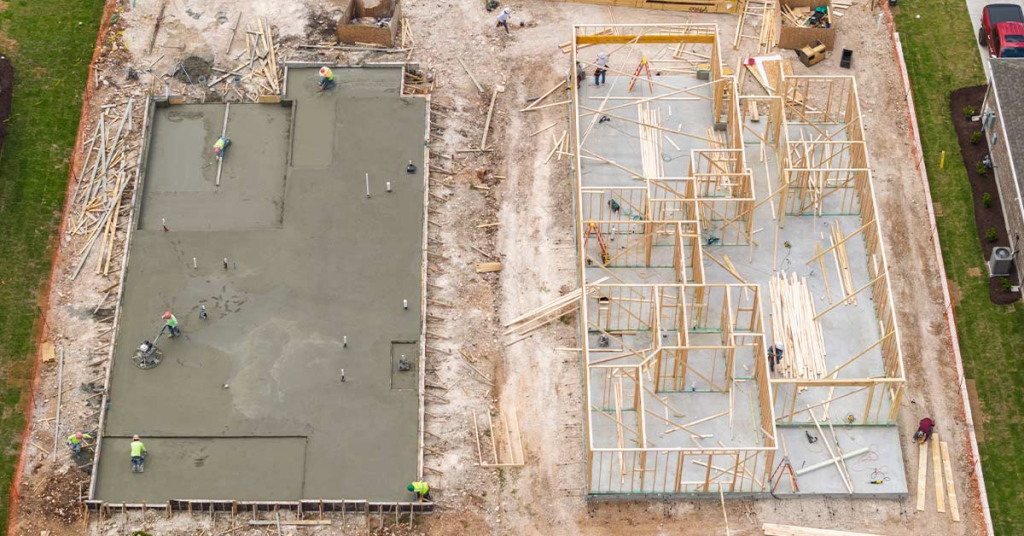
Slabs for Homes, Shops, and Barndominiums Across North Texas
We install slabs for:
• Custom homes
• Rural shops
• Equipment pads
• Metal buildings
• Barndominiums
If you’re building a barndominium, the slab and site plan must work together from the beginning. Explore our start-to-finish build services here: Barndominiums.
Need access and pad work before pouring? See our: Driveways & Pads.
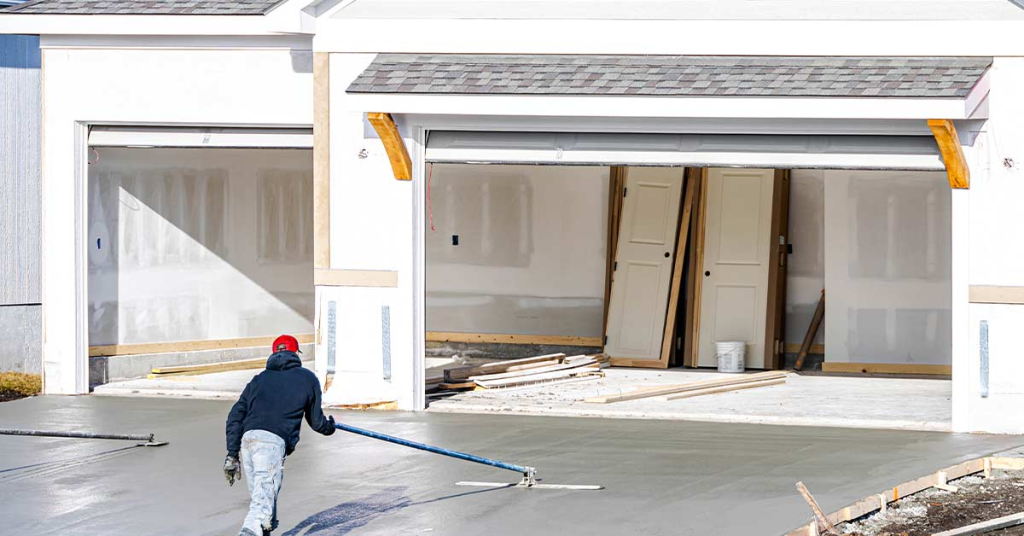
Why One Contractor Matters for Concrete Slabs
When excavation and concrete are handled by separate contractors, problems often fall between scopes.
One blames the other. Timelines slip. Costs increase.
With 3BW Excavation & Dirt Work, you get one accountable team managing:
• Site prep
• Grading
• Drainage
• Slab installation
That reduces risk and keeps your project moving.
Frequently Asked Questions
How much does a concrete slab cost in North Texas?
Concrete slab cost in North Texas depends on slab size, thickness, reinforcement, site conditions, and how much preparation is required. Projects that require grading, drainage correction, or base import will vary from flat, stable sites. The best way to determine accurate pricing is through an on-site evaluation.
How thick should a concrete slab be for a home or shop?
Slab thickness depends on structural load and building type. Residential homes, barndominiums, and heavy equipment shops often require different slab designs. Proper reinforcement and compaction matter just as much as thickness for long-term performance.
Why do concrete slabs crack in Texas?
Concrete slabs in Texas can crack due to soil movement, moisture changes, shrinkage during curing, or poor subgrade preparation. Proper compaction, reinforcement placement, drainage planning, and curing techniques significantly reduce cracking risk.
Do I need site preparation before pouring concrete?
Yes. Proper site preparation is critical. The ground must be leveled, compacted, and shaped to move water away from the structure. Skipping site prep is one of the most common causes of slab settlement and foundation problems.
How long does it take before I can build on a new slab?
Concrete gains strength over time. Many projects can begin framing within several days, but full strength development continues for weeks. Timing depends on weather conditions, slab design, and mix specifications.
Service Areas
3BW Excavation & Dirt Work proudly serves builders and general contractors throughout North Texas, including Bluff Dale, Stephenville, Dublin, Hico, Granbury, Morgan Mill, Glen Rose, Weatherford, Brock, Palo Pinto, Mineral Wells, Godley, Cleburne, Joshua, Burleson, and Alvarado.
Get a Concrete Slab Quote
If you’re planning a slab and want it built on properly prepared ground, call 214-202-8294.
We’ll walk your site, discuss your goals, and create a plan to take your project from dirt to build-ready — the right way.