House Pad Compaction in Parker County, TX: Why Most Foundation Problems Start Before Concrete Is Poured
Quick Answer: Proper house pad compaction helps prevent foundation settling, slab cracks, drainage problems, and costly repairs. Before concrete is poured, the building site must be cleared, graded, filled in controlled layers, and compacted correctly. For homeowners and builders in Parker County, TX, this step is one of the most important parts of the entire construction process.
Local Excavation Expertise: 3BW Excavation & Dirt Work provides professional house pad preparation, grading, excavation, land clearing, driveway installation, and dirt work throughout Parker County and surrounding North Texas communities. Every property has different soil, slope, drainage, and access conditions, which is why proper site preparation matters before construction begins.
Most foundation problems do not start with the concrete. They start with the ground underneath it.
When a home is built on poorly prepared soil, the foundation may begin to move as the dirt settles, expands, shrinks, or washes out. Over time, that movement can lead to cracked slabs, uneven floors, sticking doors, drywall cracks, and expensive structural repairs.
That is why house pad compaction is so important. A strong foundation starts with a properly prepared building pad.
If you are planning to build in Weatherford, Springtown, Aledo, Azle, Poolville, Brock, Peaster, Millsap, Hudson Oaks, Willow Park, or anywhere in Parker County, the dirt work completed before construction can have a major impact on the long-term performance of your home.
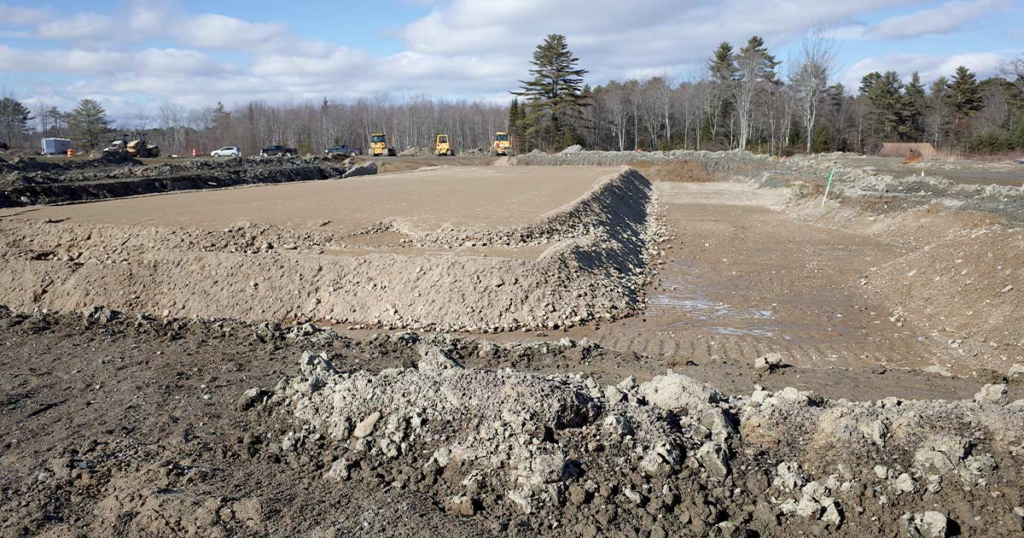
Why House Pad Compaction Matters
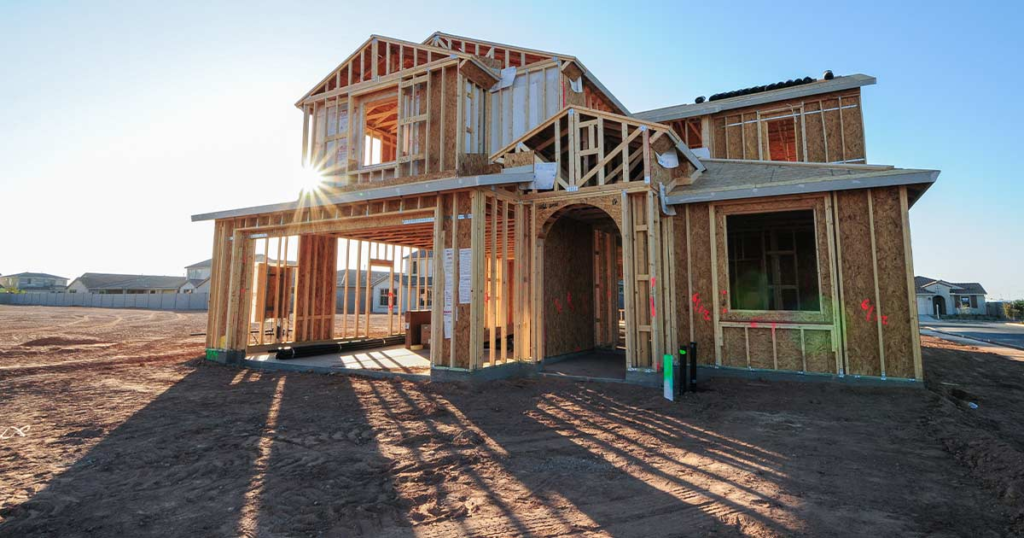
A house pad is the prepared area where your foundation will be built. It may look like a simple flat section of dirt, but a quality pad requires more than pushing soil around with heavy equipment.
Proper house pad preparation usually includes clearing vegetation, removing unsuitable material, establishing drainage, placing quality fill, and compacting the pad in layers. Each step helps create a stable base for the foundation.
When compaction is done correctly, it helps:
- Reduce future foundation settlement
- Create more consistent soil density beneath the slab
- Improve drainage around the building site
- Limit soft spots under the foundation
- Support the long-term structural performance of the home
Concrete is strong, but it cannot fix unstable ground. If the soil underneath the slab moves, the foundation can move with it.
For related site preparation services, visit our site preparation services page.
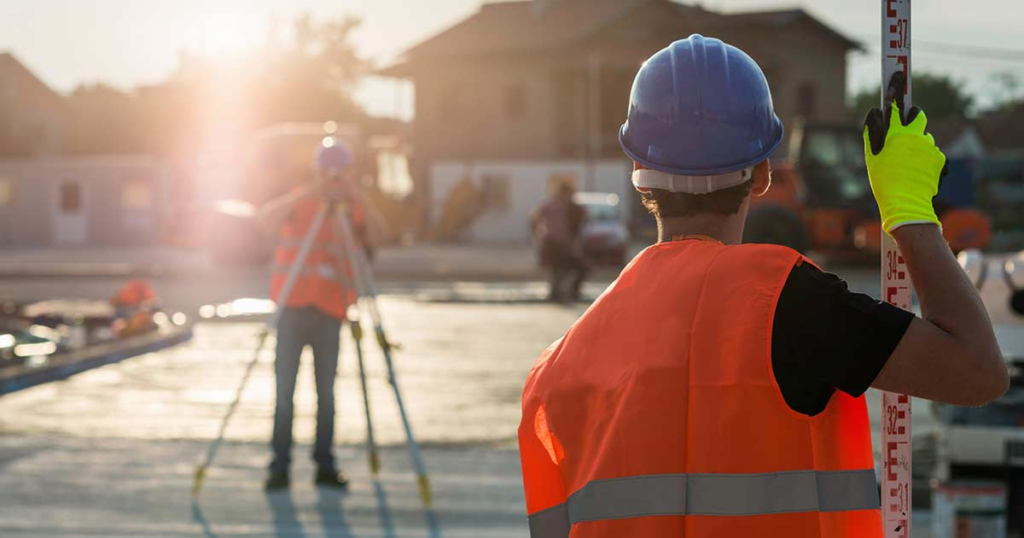
Why Parker County Soil Requires Careful Preparation
Many properties in Parker County have soil that reacts strongly to moisture changes. During rainy periods, the soil can expand. During hot, dry weather, it can shrink. This cycle creates movement beneath foundations, driveways, pads, and other structures.
That does not mean you cannot build successfully in Parker County. It means the site needs to be prepared correctly from the start.
Experienced excavation contractors look at slope, drainage, existing vegetation, fill requirements, access, elevation, and soil conditions before building a pad. A lot in Springtown may need a different approach than a property in Weatherford, Aledo, Brock, or Poolville.
According to the Texas A&M AgriLife Extension Service, Texas soils and drainage conditions can vary significantly by region, which makes proper site planning important for land improvement and construction projects.
That is why 3BW Excavation & Dirt Work evaluates each project individually instead of using a one-size-fits-all approach.
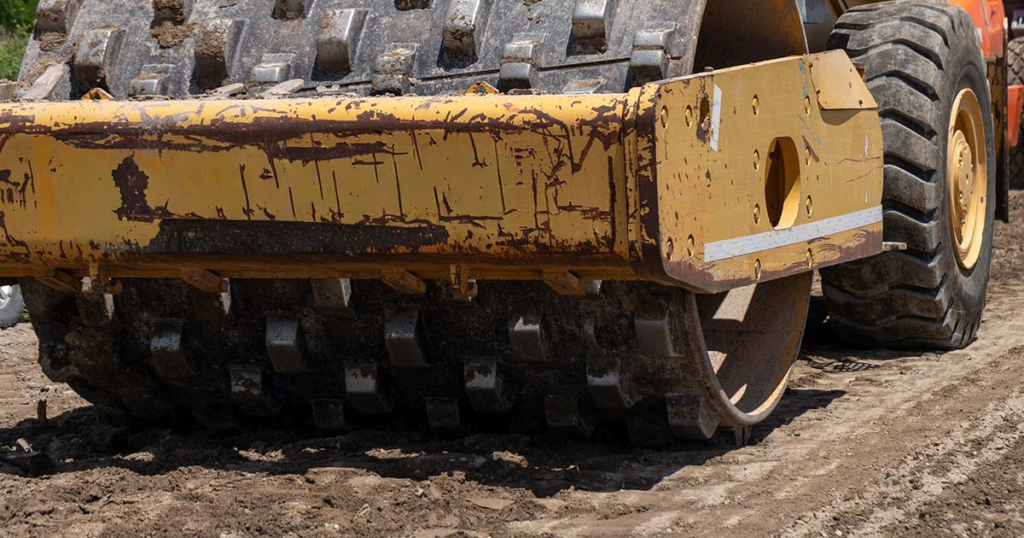
What Goes Into a Properly Compacted House Pad?
A quality house pad is built in stages. Skipping steps may save time upfront, but it can create expensive problems later.
1. Clearing the Building Site
The first step is removing trees, brush, roots, grass, and organic material from the building area. Organic material should not be buried under a foundation because it can decompose over time and create voids beneath the structure.
If your property needs clearing before pad work begins, visit our land clearing services page.
2. Establishing Proper Grade
Grading shapes the site so water drains away from the future home instead of collecting around the foundation. Poor drainage is one of the biggest enemies of a building pad.
Water that sits near the structure can soften soil, cause erosion, and increase movement around the foundation. A properly graded pad helps direct water away from the home and toward the correct drainage path.
Learn more about grading and drainage support on our grading services page.
3. Placing Fill in Controlled Layers
If the pad needs to be raised, fill material should be placed in controlled layers rather than dumped in one large pile. These layers are often called lifts.
Each lift needs to be spread evenly and compacted before the next layer is added. This creates a stronger, more consistent pad from bottom to top.
4. Compacting the Pad
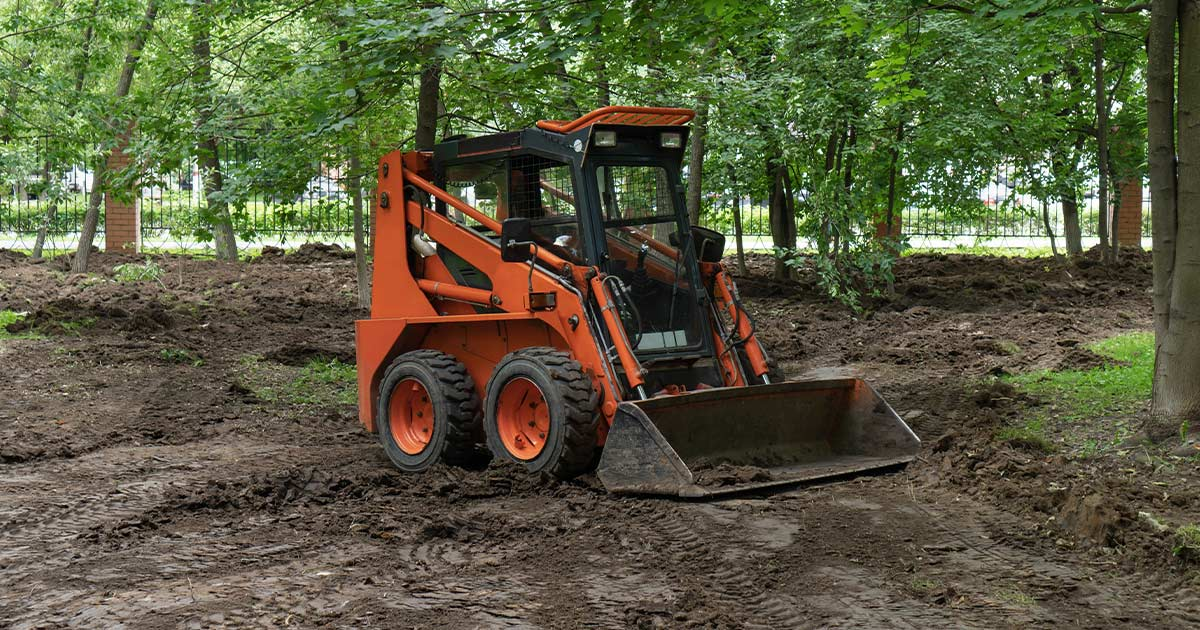
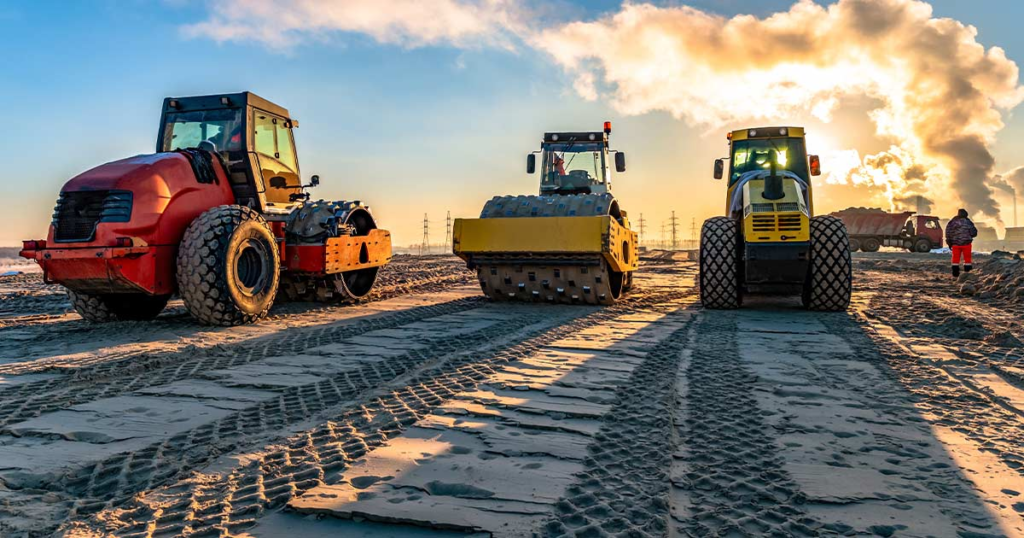
Compaction uses heavy equipment to increase soil density and reduce air pockets. This helps the pad support the weight of the foundation and structure above it.
Good compaction is not just about making the top look smooth. The strength of the pad depends on what happens throughout the full depth of the prepared area.
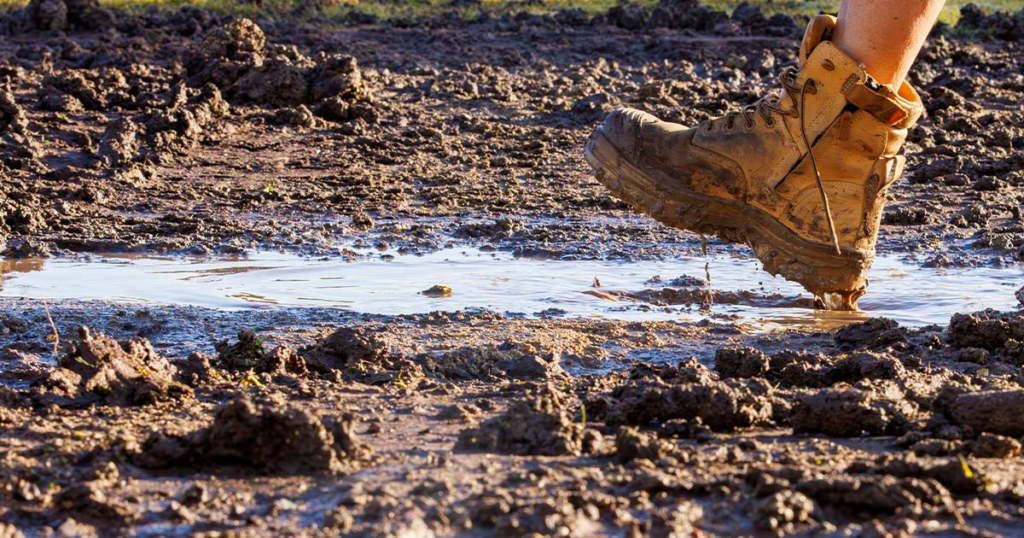
Common House Pad Mistakes That Lead to Problems
Many foundation issues can be traced back to shortcuts during the dirt work phase. These mistakes are often hidden once the home is built, but they may show up months or years later.
Common mistakes include:
- Building over topsoil or vegetation
- Leaving roots or organic debris beneath the pad
- Using poor-quality fill material
- Dumping fill too deep without compacting in layers
- Failing to plan for drainage
- Creating low spots where water can collect
- Rushing the pad before it is ready for construction
The best time to prevent these problems is before the foundation is poured.
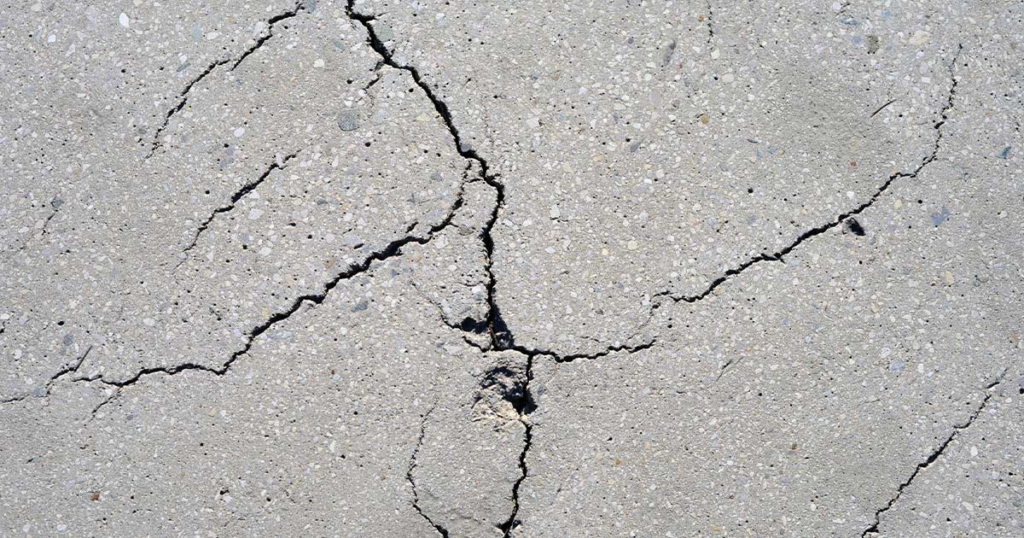
Signs a House Pad May Not Have Been Prepared Correctly
Foundation problems are not always caused by poor compaction, but unstable soil and bad drainage are common contributors. If a building pad was not prepared correctly, warning signs may appear over time.
Watch for:
- Cracks in the slab or foundation
- Interior drywall cracks
- Doors that stick or will not close properly
- Windows that become difficult to open
- Uneven or sloping floors
- Standing water near the home
- Soil pulling away from the foundation
- Visible settling around the building pad
For new construction, the goal is to reduce these risks before they ever start. That begins with experienced excavation, grading, and compaction.
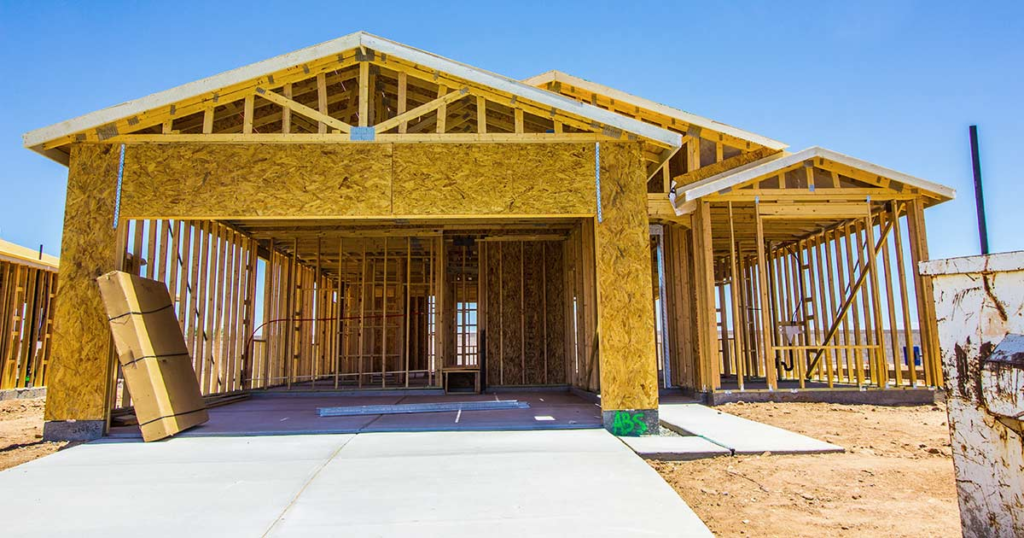
House Pads for Homes, Shops, Barns, and More
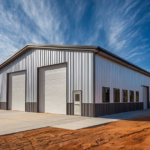
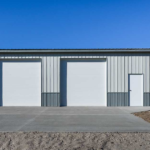
House pad compaction is not only important for residential foundations. The same principles apply to shops, garages, barns, equipment buildings, agricultural structures, and commercial pads.
Any structure that depends on a stable foundation needs properly prepared ground beneath it.
3BW Excavation & Dirt Work helps property owners and builders prepare sites for:
- Custom homes
- Manufactured home pads
- Workshops
- Garages
- Barns
- Equipment buildings
- Driveways and access roads
- Commercial building pads
If your project also needs access improvements, see our driveway installation services. If your property needs water flow under a driveway or entrance, visit our culvert installation services page.
Why Hire a Local Parker County Excavation Contractor?
Local experience matters because Parker County properties are not all the same. Some lots have heavy clay. Others have slope challenges, drainage issues, rocky areas, soft spots, or difficult equipment access.
A local excavation contractor understands how North Texas weather, soil movement, and property conditions can affect a building pad.
When you hire 3BW Excavation & Dirt Work, you get a team that understands the importance of preparing the site correctly before construction begins. We are not just moving dirt. We are helping create the base your project depends on.
Our services include:
- Excavation
- Grading
- Site preparation
- Land clearing
- House pads
- Driveway installation
- Culvert installation
Areas We Serve
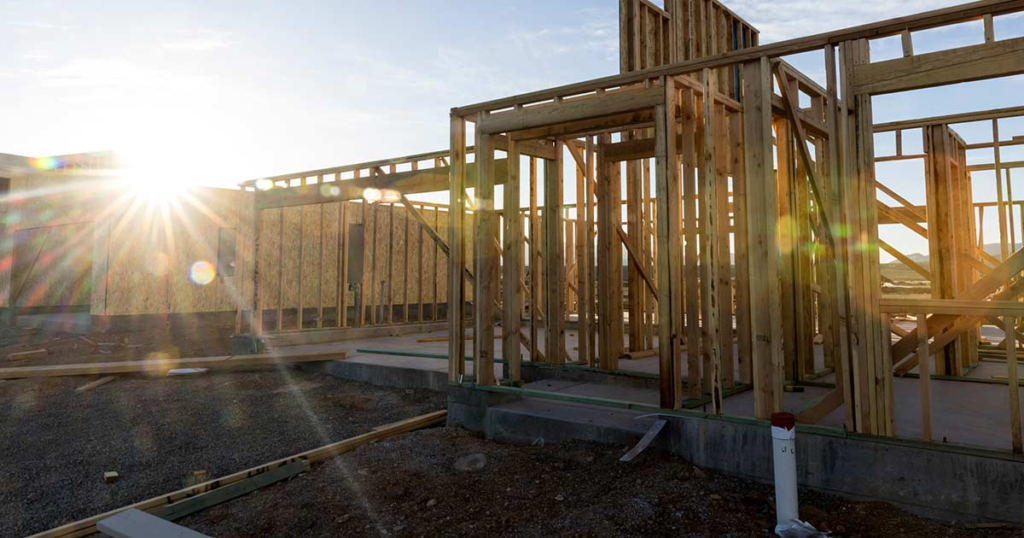
3BW Excavation & Dirt Work provides house pad preparation and dirt work services throughout Parker County and nearby communities, including:
- Weatherford
- Springtown
- Aledo
- Azle
- Poolville
- Brock
- Peaster
- Millsap
- Hudson Oaks
- Willow Park
- Mineral Wells
- And surrounding North Texas areas
You can learn more about where we work on our service areas page.
Ready to Build on Solid Ground?
Your foundation starts before the concrete is poured. It starts with clearing, grading, drainage, fill, and compaction.
If you are building a home, shop, barn, garage, or commercial structure in Parker County, do not treat the house pad as an afterthought. The quality of the dirt work can affect the success of the entire project.
3BW Excavation & Dirt Work provides professional house pad compaction, excavation, grading, land clearing, driveway installation, culvert installation, and complete site preparation throughout Parker County and surrounding areas.
Contact 3BW Excavation & Dirt Work today to discuss your project and get your building site prepared the right way from the ground up.
Frequently Asked Questions About House Pad Compaction
What is house pad compaction?
House pad compaction is the process of preparing and densifying the soil where a foundation will be built. It helps create a more stable base for the structure and reduces the risk of future settling.
Why is compaction important before pouring concrete?
Concrete needs stable support beneath it. If the soil under the slab is loose, soft, or poorly drained, the foundation may move over time. Proper compaction helps reduce that risk.
How long does it take to prepare a house pad?
The timeline depends on the size of the pad, property conditions, clearing needs, amount of fill required, weather, and access. Some pads can be completed quickly, while more complex sites may take longer.
Do I need land clearing before house pad preparation?
Many properties need some level of clearing before pad work begins. Trees, brush, roots, grass, and organic material should be removed from the building area before structural fill and compaction.
Can poor drainage damage a house pad?
Yes. Water collecting around or beneath a foundation can soften soil, cause erosion, and contribute to movement. Proper grading and drainage planning are important parts of house pad preparation.
Does 3BW Excavation & Dirt Work prepare pads outside Parker County?
Yes. 3BW Excavation & Dirt Work serves Parker County and surrounding North Texas communities. Contact the team to confirm service availability for your specific property location.