Concrete Driveway Cost in Weatherford, TX: 2026 Guide
Quick answer: Concrete driveway cost in Weatherford, TX depends on the driveway’s size, thickness, reinforcement, finish, access, drainage, demolition needs, and—most importantly—the condition of the ground beneath it. For early 2026 budgeting, a straightforward broom-finished residential driveway may fall in the high-single-digits to mid-teens per square foot, while replacement, decorative, steep, heavily reinforced, or drainage-intensive projects can cost more. The only dependable price is one based on an on-site evaluation and a written scope.
A concrete driveway should do more than look clean on the day it is poured. It must support daily traffic, move stormwater in the right direction, connect safely to the road, and withstand the soil movement and weather changes common across Parker County.
At 3B Excavation & Dirt Work, we provide concrete, excavation, grading, drainage, and site preparation under one coordinated scope. That start-to-finish approach helps eliminate one of the most common causes of driveway trouble: a good-looking concrete surface installed over a poorly prepared base.
If you are planning a new driveway, an extension, a shop approach, or removal and replacement of damaged concrete, use this guide to understand the cost factors and questions that matter before requesting a quote.
“Every concrete driveway starts with the ground beneath it. We evaluate the soil, slope, drainage, and access conditions before work begins so the driveway has the stable foundation it needs to perform for years.”
— Dennis and Tammy Beshear, Owners
3B Excavation & Dirt Work
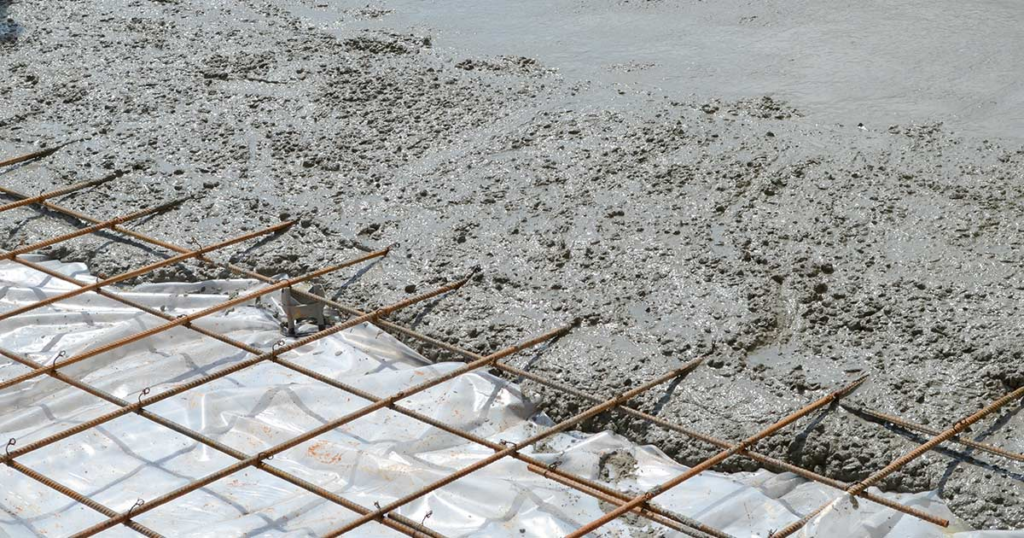
How Much Does a Concrete Driveway Cost in Weatherford, TX?
There is no responsible flat price for every concrete driveway in Weatherford or Parker County. A short, level driveway on stable ground is very different from a long rural drive that needs clearing, excavation, imported base, culverts, drainage correction, or extra reinforcement for trucks and equipment.
The following ranges are useful only for preliminary planning—not as a proposal from 3B:
| Project type | General planning range | What can change the price |
|---|---|---|
| Standard broom-finished residential driveway | Often high-single-digits to mid-teens per square foot | Base condition, thickness, reinforcement, access, size, and concrete market pricing |
| Remove and replace an existing driveway | Usually higher than a new pour on a ready base | Saw cutting, demolition, haul-off, subgrade repair, and disposal |
| Heavy-use or decorative concrete | Commonly above standard-driveway pricing | Thicker sections, additional steel, color, stamping, borders, curves, or special finishes |
Be cautious with any price quoted from square footage alone. A low per-square-foot number may exclude excavation, road base, reinforcement, concrete pumping, demolition, drainage work, permit-related work, or haul-off. Those exclusions can turn an attractive estimate into a much larger final bill.
For accurate pricing, request a complimentary on-site estimate or call (254) 243-9220.
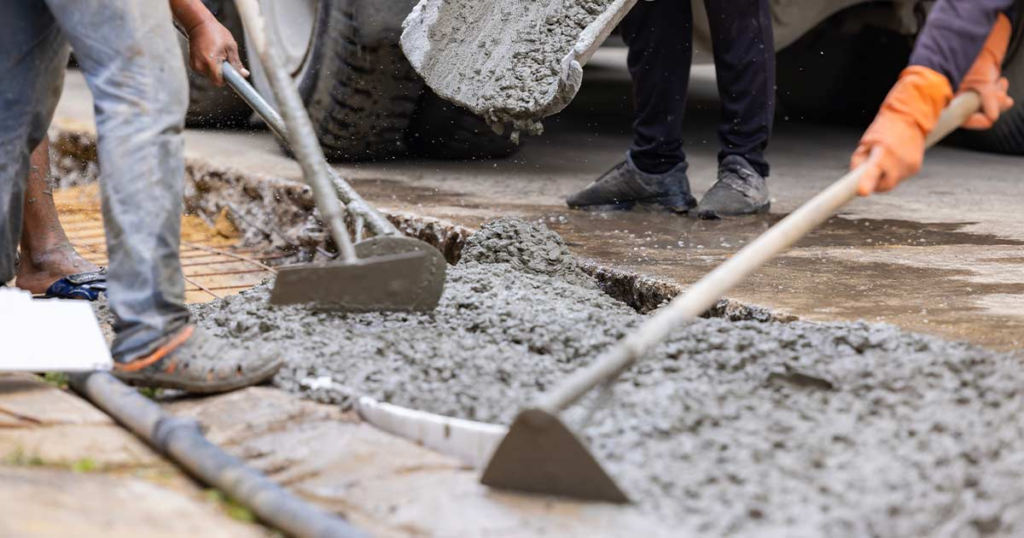
What Changes the Price of a Concrete Driveway?
A useful concrete driveway estimate should reflect the complete job—not just the concrete truck. The largest cost factors usually include:
Driveway size and layout
Length and width determine square footage, but layout matters too. Curves, turnarounds, parking pads, approaches, flared entrances, and tight forming areas add labor and material. A larger, simple rectangle may be more efficient per square foot than a smaller driveway with several curves and transitions.
Excavation and subgrade condition
Soft soil, organic material, ruts, old fill, standing water, or an uneven grade may need to be removed or corrected. If the subgrade cannot support the driveway evenly, the finished concrete is more likely to settle or crack. Learn more about our site preparation services.
Base material and compaction
A stable, properly compacted base distributes vehicle loads and provides uniform support. The amount of imported material depends on existing soil, elevations, planned use, and drainage. Compaction should occur in controlled layers rather than placing a deep layer and compacting only the surface.
Concrete thickness and reinforcement
A driveway serving passenger vehicles does not have the same requirements as a ranch entrance, RV pad, delivery route, or shop approach used by heavy trucks. Thickness, edge design, reinforcing steel, and concrete specifications should match the expected load and site conditions.
Finish and design
A standard broom finish is generally more economical than stamped, stained, exposed-aggregate, bordered, or highly decorative work. Added color, patterns, sealers, and complex forming increase material and labor.
Demolition and haul-off
Replacing an existing driveway may require saw cutting, breaking, loading, disposal, and base repair. 3B can coordinate concrete demolition, site correction, and the new installation so the work does not fall between multiple contractors.
Drainage, culverts, and road access
If runoff crosses the planned driveway or the entrance passes over a roadside ditch, drainage improvements may be necessary before concrete is poured. A culvert, swale, ditch, or elevation correction can protect both the driveway and surrounding property.
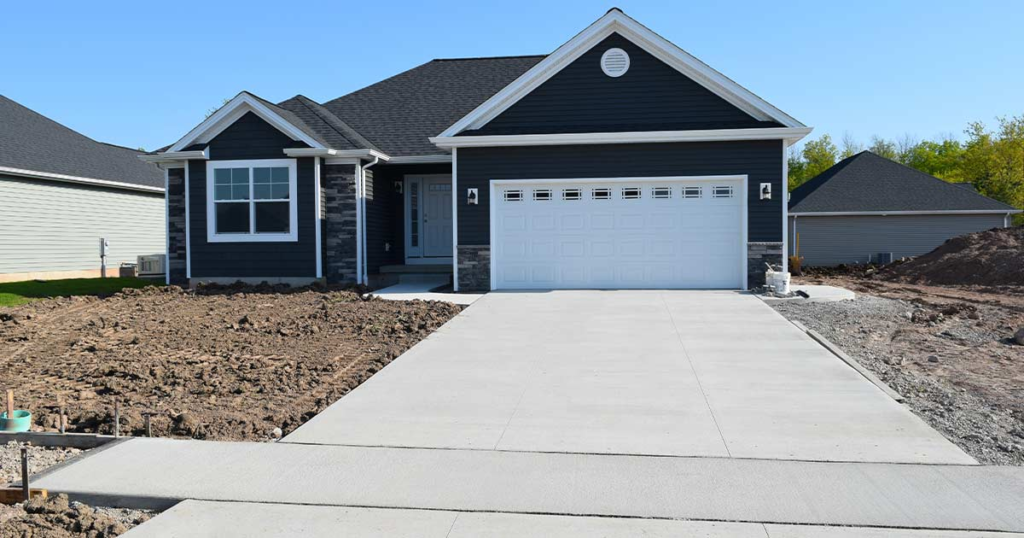
Why Site Preparation Matters in Parker County
The visible concrete is only the top layer of a driveway system. Long-term performance begins with the soil and base underneath. North Texas properties can include clay, rock, prior fill, soft areas, and changing slopes—sometimes within the same driveway path.
The USDA Web Soil Survey is a helpful planning resource, but the agency also notes that certain engineering applications require on-site investigation. That is why a contractor should evaluate actual site conditions instead of relying only on a map or a generic detail.
Proper driveway preparation may include:
- Removing vegetation, topsoil, roots, mud, and unsuitable material
- Establishing the correct driveway elevation and slope
- Correcting soft or unstable areas
- Placing suitable base material in controlled layers
- Compacting the subgrade and base uniformly
- Planning runoff before forms are installed
- Preparing transitions at garages, shops, gates, and the roadway
Our background in grading, excavation, and drainage allows us to prepare the driveway corridor and pour the concrete as one connected project. For a deeper look at base preparation, read our guide to compaction in Parker County. Although the article focuses on building pads, the same principle applies: concrete performs only as well as the support beneath it.
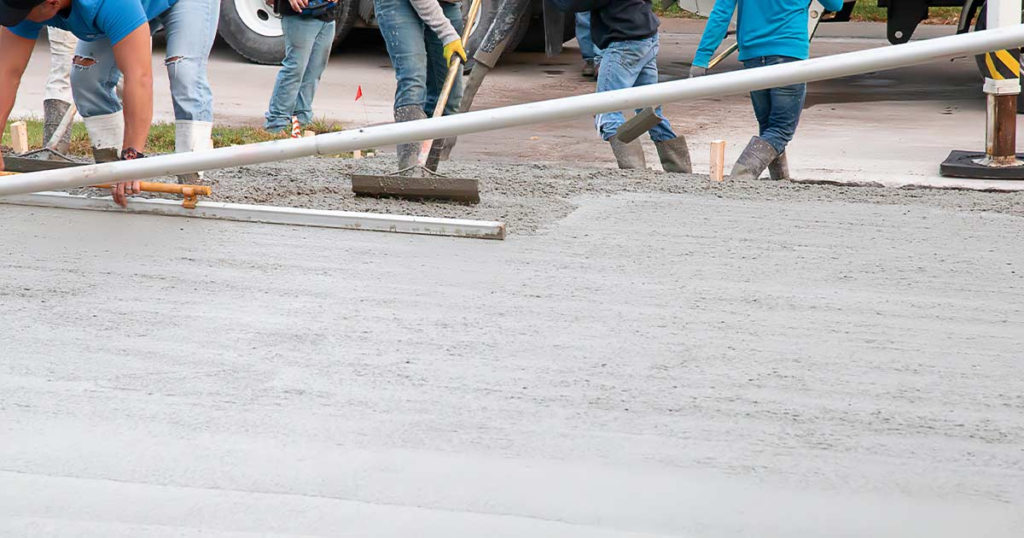
Our Concrete Driveway Installation Process
A well-managed process protects quality, scheduling, and your property. The exact scope varies, but a professional concrete driveway installation generally follows these steps:
- Site visit and project planning: We review access, measurements, elevations, expected vehicle loads, drainage, existing surfaces, and how the driveway connects to the road or structure.
- Utility locate and permit coordination: Required underground utility markings and applicable driveway-approach requirements are addressed before excavation begins.
- Clearing, excavation, or demolition: Vegetation, unsuitable soil, and old concrete are removed as required by the approved scope.
- Grading and base preparation: The driveway corridor is shaped for the correct elevation and water flow. Base material is placed and compacted where needed.
- Forms and reinforcement: Forms establish the layout, elevations, transitions, and thickness. Reinforcement is installed according to the project design.
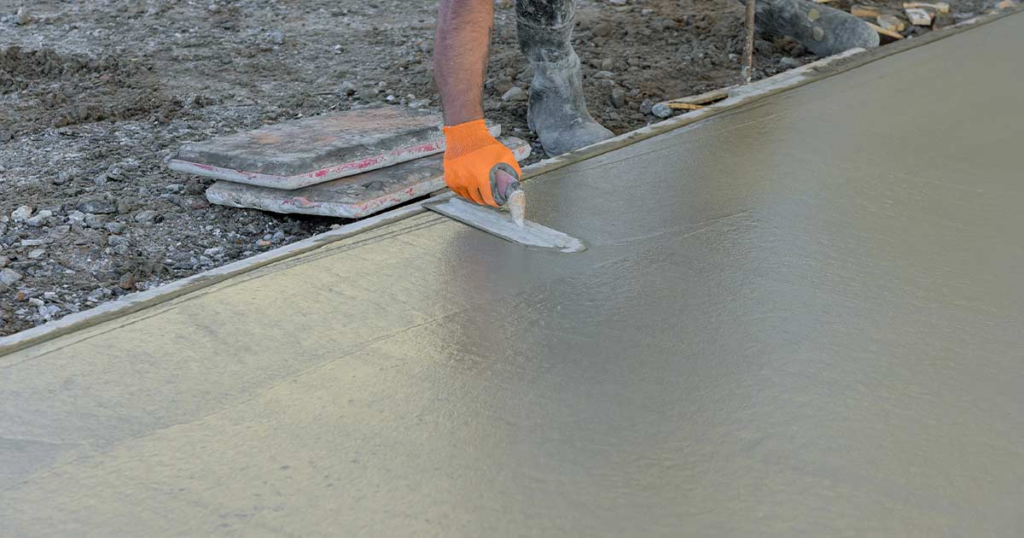
- Concrete placement and finishing: Concrete is placed, consolidated, leveled, and finished for the selected appearance and traction.
- Joints and curing: Properly planned joints help control where normal shrinkage cracking occurs, while curing helps the concrete develop strength and surface durability.
- Cleanup and use guidance: The site is cleaned, and the owner receives guidance on when the driveway can accept foot traffic and vehicles.
The American Concrete Institute publishes widely used technical guidance for concrete design, placement, joints, and curing. Project-specific requirements should always follow the plans, applicable codes, site conditions, and intended use.
Permits, Drainage, Culverts, and Utility Locates
Before construction, confirm which jurisdiction controls the property and the driveway connection. Requirements can differ inside Weatherford, in another municipality, along a county road, or near a state-maintained roadway.
The City of Weatherford states that a separate drive approach permit is required for driveway-approach work within its jurisdiction. Requirements and fees can change, so verify the current application, inspection, and right-of-way specifications directly with the city before work begins.
Utility location is equally important. Texas811 explains that Texas law requires the excavator to contact 811 at least two business days before digging, excluding weekends and holidays. Marking public utility lines does not necessarily identify every privately owned line on a property, so private utilities may need separate investigation.
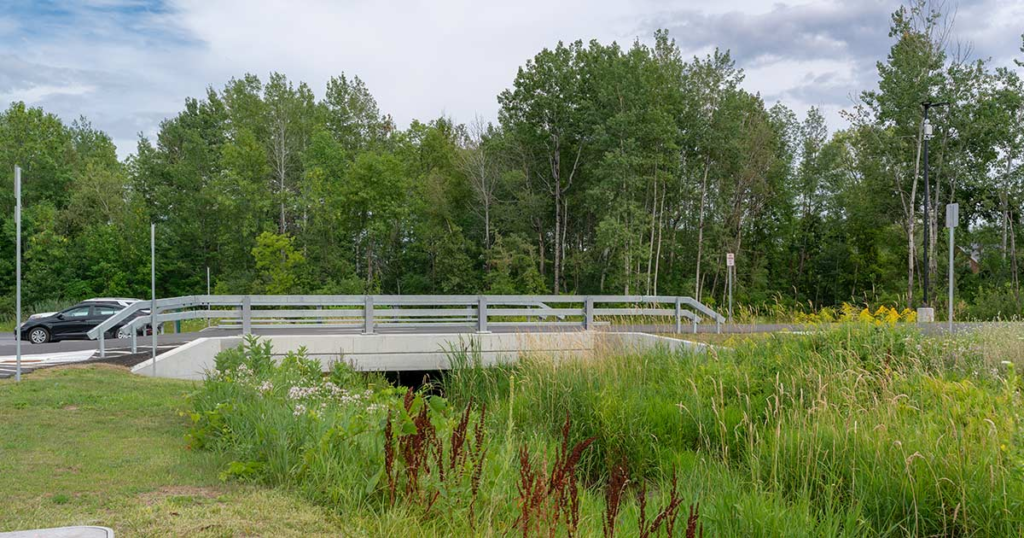
Drainage should be designed before the driveway elevation is locked in. Water that is trapped against a driveway, garage, shop, or foundation can soften the supporting soil and contribute to erosion or settlement. If your entrance crosses a ditch or natural water path, review our guides to drainage and culvert services and driveway culvert installation in Parker County.
How to Compare Concrete Driveway Contractor Quotes
The lowest total is not always the lowest long-term cost. Ask each contractor to provide a written scope detailed enough for an apples-to-apples comparison.
A complete quote should clarify:
- Driveway dimensions and approximate square footage
- Removal and disposal of existing concrete, if applicable
- Excavation depth and treatment of unsuitable soil
- Base material type, depth, placement, and compaction
- Concrete thickness and project specifications
- Reinforcement type and placement
- Finish, edges, joints, and curing plan
- Drainage work, culverts, and transitions
- Permit or inspection responsibilities
- Site access, concrete-pump needs, cleanup, and haul-off
- Payment schedule, exclusions, and change-order process
Also ask who is responsible for the earthwork. When one contractor prepares the ground and another pours the driveway, unclear scopes can create delays and finger-pointing. 3B offers driveway and pad construction plus concrete placement, giving property owners one accountable team from dirt to finished surface.
Concrete Driveway Service Areas Near Weatherford
3B Excavation & Dirt Work is based in Bluff Dale and serves residential, ranch, agricultural, commercial, and rural properties throughout Parker County and surrounding North Texas communities. Concrete-driveway and related sitework service areas include Weatherford, Brock, Springtown, Azle, Poolville, Peaster, Millsap, Hudson Oaks, Willow Park, Mineral Wells, Granbury, Stephenville, Glen Rose, and nearby areas.
Our local services include new concrete driveways, driveway extensions, approaches, shop and equipment pads, concrete demolition and replacement, excavation, grading, base preparation, drainage improvements, and culvert work. Explore all 3B service areas or view our Weatherford excavation and site-preparation services.
Get a Concrete Driveway Quote in Weatherford, TX
A durable driveway starts before the concrete truck arrives. It begins with a clear plan for soil, base, elevations, drainage, reinforcement, access, and long-term use.
3B Excavation & Dirt Work provides complimentary on-site estimates and project-based quotes for concrete driveways and related sitework. We will evaluate your property, discuss how the driveway will be used, and develop a scope built around the actual conditions—not a one-size-fits-all number.
Call (254) 243-9220 or request your free concrete driveway estimate online.

Frequently Asked Questions About Concrete Driveways in Weatherford, TX
How much does a concrete driveway cost in Weatherford, TX?
Cost depends on square footage, thickness, reinforcement, site access, base preparation, drainage, finish, and whether old concrete must be removed. Preliminary market ranges can help with budgeting, but an on-site evaluation is needed for a dependable project quote.
How thick should a concrete driveway be?
Thickness should match the soil support, reinforcement plan, expected vehicles, and project design. A driveway used only by passenger vehicles may differ from an RV pad, ranch entrance, delivery route, or shop approach used by heavy trucks. The contractor should not select thickness without considering the intended load.
Does a concrete driveway need rebar?
Reinforcement requirements depend on the design and site conditions. Properly placed steel can help the driveway hold together and manage movement, but reinforcement does not replace good subgrade preparation, compaction, drainage, joints, or curing.
Why do concrete driveways crack in North Texas?
Concrete can crack because of normal shrinkage, soil movement, uneven support, poor drainage, inadequate joints, heavy loads, or improper curing. No contractor should promise crack-free concrete, but correct preparation and installation can reduce uncontrolled cracking and improve long-term performance.
Do I need a permit for a concrete driveway in Weatherford?
A City of Weatherford drive approach permit may be required when work connects to or occurs within the public right-of-way. Properties outside the city or along county or state roads may follow different requirements. Confirm the controlling jurisdiction before construction.
Can you remove and replace an old concrete driveway?
Yes. 3B can coordinate demolition, haul-off, correction of failed or soft base areas, grading, drainage improvements, and installation of the new driveway. The existing damage should be evaluated so the replacement does not repeat the same underlying problem.
How long before I can drive on a new concrete driveway?
The safe waiting period depends on the concrete mix, weather, curing conditions, thickness, and expected vehicle weight. Concrete continues gaining strength after placement. Follow the project-specific instructions from the contractor instead of relying on a universal number of days.
When is the best time to pour a concrete driveway in Weatherford?
Concrete can be placed during much of the year when temperature, wind, rain, ground condition, and curing are managed correctly. Extreme heat, freezing weather, storms, or saturated soil may require schedule changes or additional precautions.