Driveway Culvert Installation in Parker County, TX: When You Need One Before Building
If you are planning a new driveway, home site, shop, barn, ranch entrance, or building project in Parker County, TX, one of the first things to consider is drainage. Before concrete trucks, builders, delivery drivers, utility crews, or heavy equipment can safely access your property, your entrance and driveway need to be built correctly.
For many rural properties in Weatherford, Springtown, Aledo, Brock, Poolville, Hudson Oaks, Mineral Wells, Granbury, Stephenville, Bluff Dale, and surrounding North Texas communities, that means installing a driveway culvert.
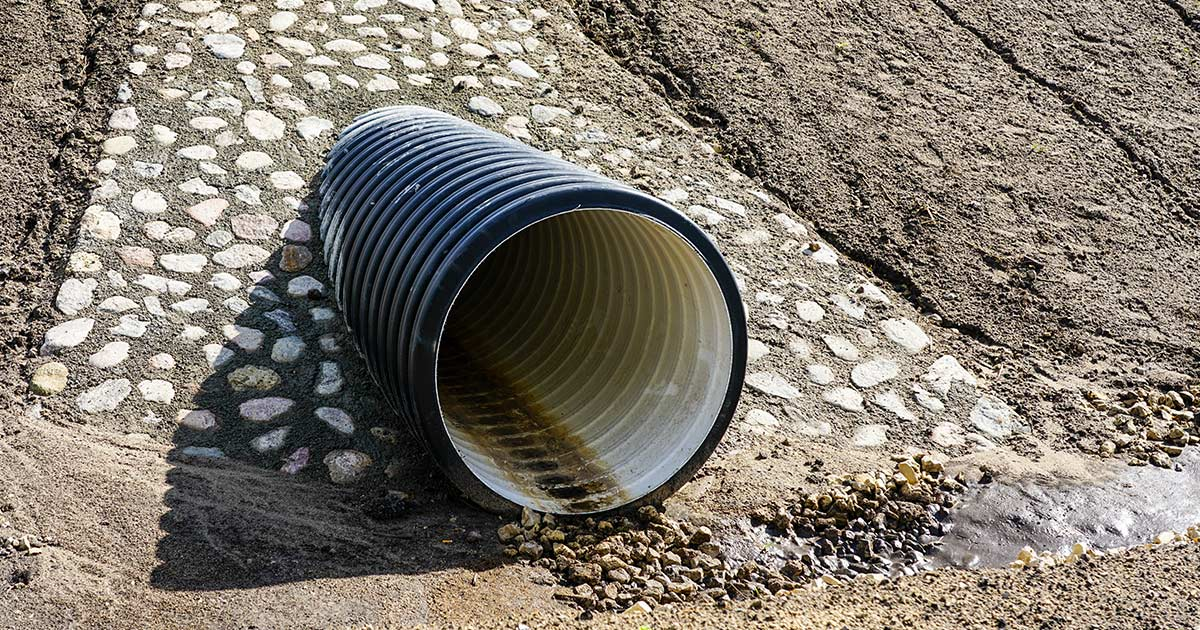
Driveway culvert installation in Parker County TX helps move stormwater under your driveway instead of across it. Without the right culvert, water can wash out gravel, create deep ruts, flood low areas, damage the entrance, and make it difficult for trucks and equipment to reach the building site.
At 3BW Excavation & Dirt Work, we install driveway culverts, improve drainage, prepare entrances, grade driveways, and provide excavation and site preparation services throughout Parker County and surrounding North Texas areas.
If you are building soon, do not wait until your driveway washes out or your contractor has trouble reaching the site. Call (254) 243-9220 to request a free estimate.
What Is a Driveway Culvert?
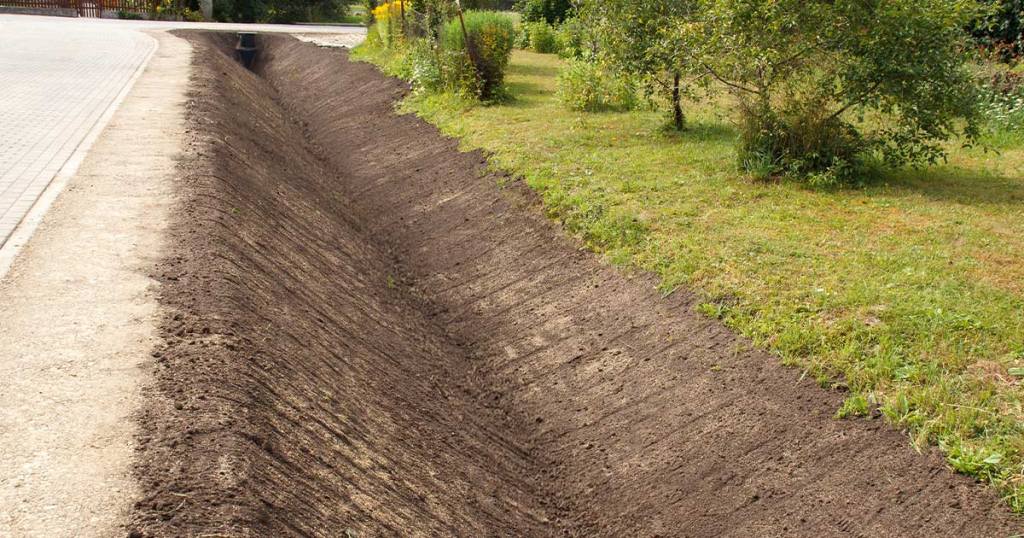
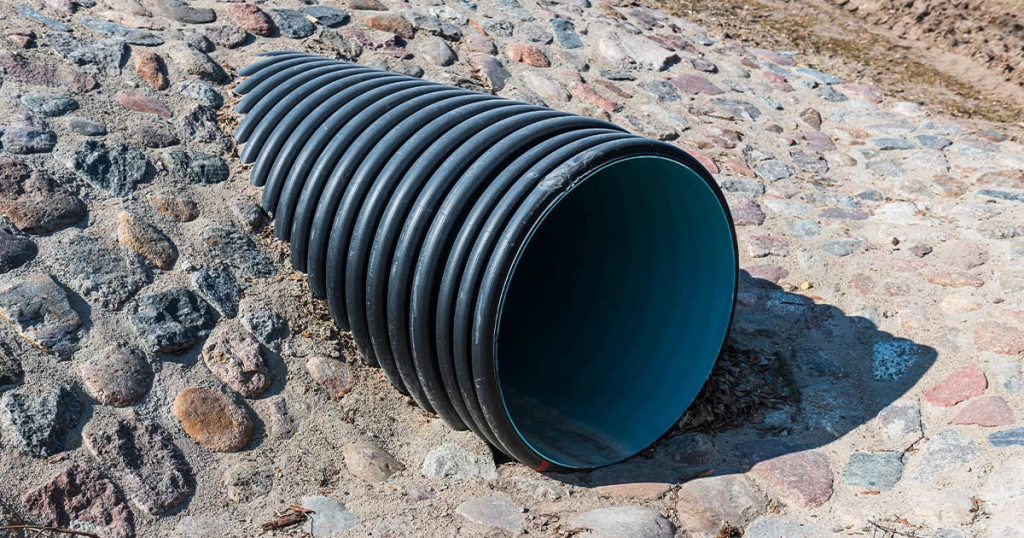
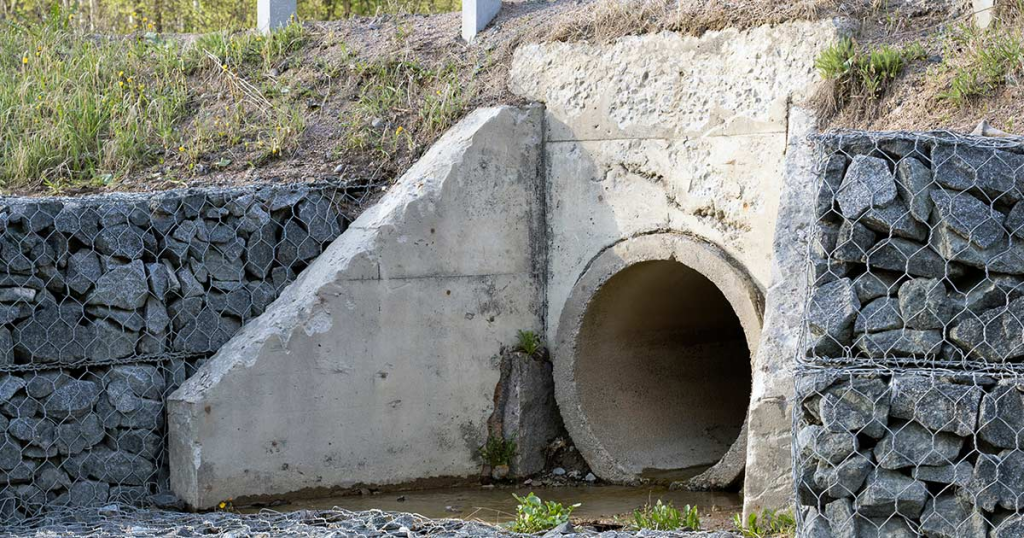
p>A driveway culvert is a pipe or drainage structure installed under a driveway entrance to allow water to flow from one side of the driveway to the other. Instead of letting stormwater run over the top of your driveway, the culvert directs water through the pipe and keeps the driveway surface more stable.Driveway culverts are commonly installed where a driveway crosses a roadside ditch, drainage swale, low spot, or natural water flow area. They are especially important on rural properties where heavy rain can move quickly across open land.
A properly installed driveway culvert can help:
- Protect your driveway from washouts
- Improve stormwater flow
- Reduce erosion near the entrance
- Keep gravel and base material in place
- Improve access for vehicles and equipment
- Prevent water from backing up near the driveway
- Support safer construction access before building begins
In Parker County and North Texas, heavy rain can expose poor driveway drainage quickly. A culvert is not just a pipe under the road. It is part of the complete drainage system for your property entrance.
When Do You Need a Driveway Culvert Before Building?
You may need a driveway culvert before building if your driveway crosses a ditch, low area, drainage path, or roadside water flow. Many property owners do not realize this until they begin construction planning and discover that the driveway entrance cannot be finished without drainage work.
A driveway culvert may be needed before:
- Building a new home
- Preparing a building pad
- Constructing a shop or garage
- Building a barn or agricultural structure
- Installing a long rural driveway
- Creating a ranch entrance
- Adding a private road
- Improving access to raw land
- Preparing land for utility crews
- Bringing in concrete trucks, builders, or heavy equipment
If water naturally moves across the driveway path, a culvert may be necessary to protect the entrance and keep access usable. This is especially important before construction begins because builders and subcontractors need reliable access to the property.
A weak or poorly drained entrance can delay a project. Trucks can get stuck, gravel can wash away, and equipment access can become unsafe after a storm.
Related service: Site Preparation Services
Driveway Drainage Problems Without a Culvert
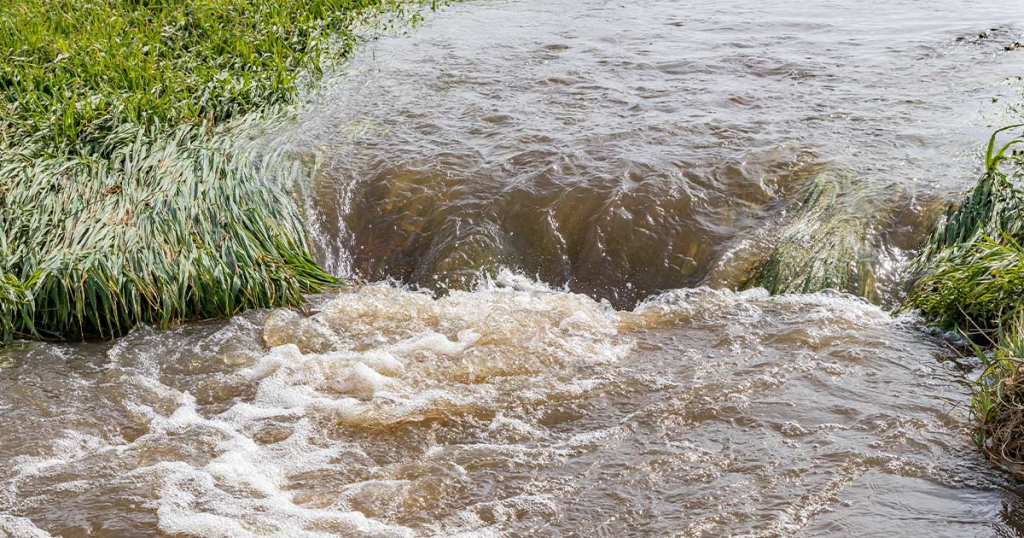
Skipping a needed culvert can create expensive problems. Water will always find a path. If that path runs across your driveway instead of under it, the driveway surface and base material can fail over time.
Common driveway drainage problems include:
- Washed-out driveway entrances
- Deep ruts after storms
- Standing water near the driveway
- Erosion along the edges
- Loss of gravel or road base
- Soft, muddy access areas
- Flooding near the road or gate
- Unsafe entry for trucks or trailers
- Difficulty getting emergency vehicles onto the property
Drainage problems often get worse once construction begins. Heavy trucks, trailers, skid steers, concrete trucks, and material deliveries put more weight on the driveway than normal passenger vehicles. If the entrance is not properly drained and compacted, it can fail quickly.
Installing the right culvert before construction helps protect the driveway and reduce delays later.
Related service: Drainage & Culverts
Choosing the Right Culvert Size in Parker County
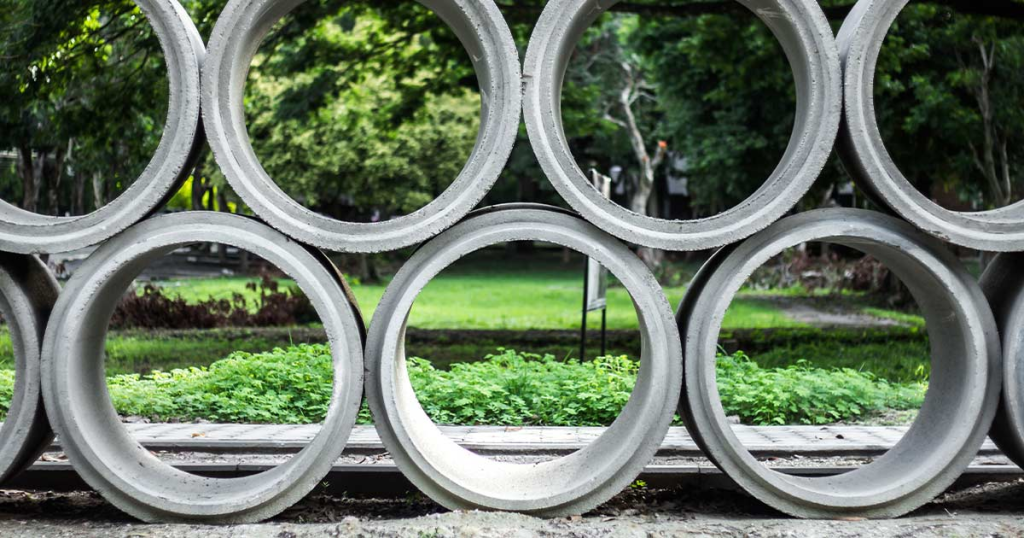
Choosing the right culvert size is one of the most important parts of the job. A culvert that is too small may not move enough water during heavy rain. A culvert that is installed at the wrong elevation may hold water, clog easily, or fail to drain the ditch properly.
The correct culvert size depends on several factors, including:
- Amount of water moving through the ditch or drainage path
- Width and depth of the ditch
- Slope of the property
- Driveway width
- Expected vehicle and equipment traffic
- County or road authority requirements
- Soil conditions
- Future building or development plans
Bigger is not always automatically better. The culvert needs to match the drainage conditions and be installed at the correct grade. If it is too high, water may not enter the pipe properly. If it is too low, sediment can collect and reduce flow. If it is too short, the driveway edges may not have enough support.
A professional excavation contractor can evaluate the site, look at how water moves through the area, and help determine the correct approach.
The Driveway Culvert Installation Process
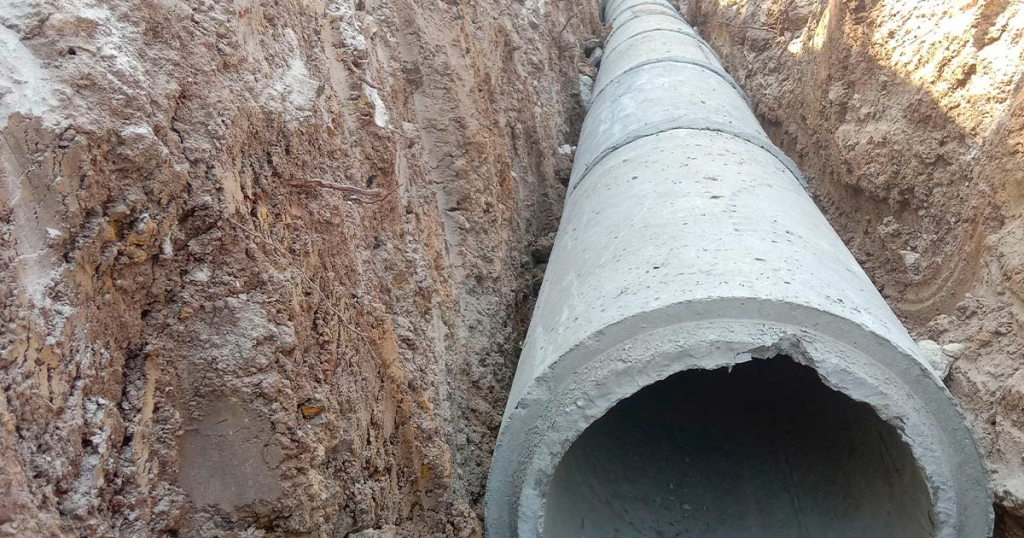
Proper culvert installation requires more than digging a hole and placing a pipe. The driveway entrance must be excavated, shaped, compacted, and graded so water moves correctly and the driveway can support traffic.
The typical driveway culvert installation process includes:
1. Site Evaluation
The first step is evaluating the driveway location, ditch, drainage direction, access needs, road conditions, and surrounding grade. This helps determine where the culvert should be placed and how the entrance should be shaped.
2. Drainage Assessment
The drainage path must be reviewed before installation. Water should be able to enter the culvert, flow through it, and exit without backing up or causing erosion.
3. Excavation
The driveway entrance is excavated to the proper depth and width. The trench must be shaped to support the culvert and maintain the correct elevation.
Related service: Excavation in Weatherford, TX
4. Culvert Placement
The culvert is placed at the proper grade so water can flow through it. The pipe must be positioned correctly before backfill and compaction begin.
5. Backfill and Compaction
Material is placed around and over the culvert. Proper compaction helps prevent settling, rutting, and driveway failure.
6. Driveway Shaping
The entrance is shaped to provide safe access for vehicles, trailers, trucks, and construction equipment. This may include widening the driveway entrance or adjusting the approach.
7. Final Grading
The area is graded so water moves away from the driveway surface and into the intended drainage path.
Related service: Grading Services
Common Driveway Culvert Mistakes
Many culvert problems are caused by poor planning or improper installation. What looks simple at first can become expensive if the culvert does not drain correctly or the driveway fails under traffic.
Common driveway culvert mistakes include:
- Installing the wrong pipe size
- Setting the culvert at the wrong elevation
- Using poor backfill material
- Failing to compact around the pipe
- Not providing enough cover over the culvert
- Ignoring the natural direction of water flow
- Making the driveway entrance too narrow
- Leaving sharp drop-offs at the edges
- Failing to control erosion at the outlet
- Trying to fix drainage after the driveway is already damaged
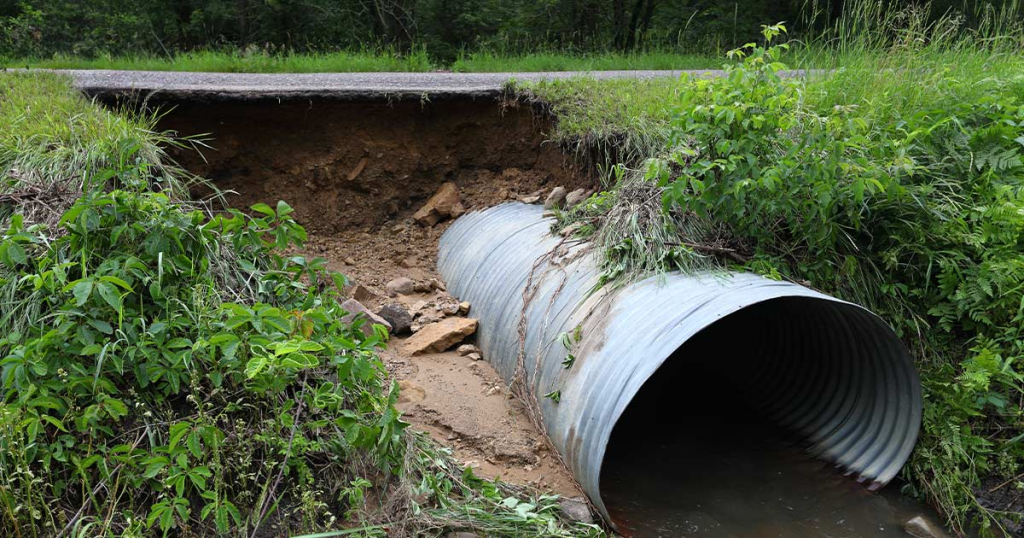
A poorly installed culvert can clog, collapse, wash out, or cause water to back up onto the property. It may also create problems for builders, delivery trucks, and anyone pulling a trailer onto the land.
The best time to fix driveway drainage is before construction traffic begins.
What Affects Driveway Culvert Installation Cost?
Driveway culvert installation cost in Parker County depends on the site conditions and the scope of work. Because each property is different, the most accurate pricing comes from an on-site evaluation.
Cost factors may include:
- Culvert length
- Culvert diameter
- Pipe material
- Driveway width
- Excavation depth
- Amount of backfill needed
- Road base or gravel requirements
- Drainage conditions
- Soil stability
- Access for equipment
- Whether grading is included
- Whether driveway construction is included
- County or road authority requirements
It may be tempting to choose the cheapest option, but poor culvert installation can cost more later. If the pipe fails, the driveway washes out, or drainage is not corrected, you may have to pay for repairs, regrading, additional material, or a full replacement.
A quality installation protects your driveway, your building schedule, and your long-term property access.
Get a Driveway Culvert Installation Estimate
If you need a driveway culvert before building, improving access, or starting site preparation, 3BW Excavation & Dirt Work can help. We provide professional drainage, culvert, excavation, grading, driveway, and dirt work services throughout Parker County and North Texas.
Call (254) 243-9220 today to request a free estimate.
Start with proper drainage now, and you can avoid costly driveway and access problems later.
Frequently Asked Questions About Driveway Culvert Installation in Parker County, TX
Do I need a driveway culvert for every driveway?
No. Not every driveway needs a culvert. A culvert is usually needed when the driveway crosses a ditch, drainage swale, low area, or natural water flow path. If water needs to pass under the driveway, a culvert may be required.
How do I know what size culvert I need?
The right culvert size depends on the amount of water moving through the area, ditch size, property slope, driveway width, soil conditions, and any county or road authority requirements. A site evaluation is the best way to determine the correct size.
Can a driveway culvert help fix erosion?
Yes. A properly installed culvert can help reduce erosion by directing water under the driveway instead of letting it wash across the surface. In some cases, additional grading or erosion control may also be needed.
How long do driveway culverts last?
The lifespan of a driveway culvert depends on the material, installation quality, drainage conditions, traffic load, soil conditions, and maintenance. Proper installation and compaction are important for long-term performance.
Can you install a driveway and culvert at the same time?
Yes. In many cases, it is best to install the culvert and prepare the driveway entrance together. This allows the entrance, drainage, base material, and final grade to work as one complete system.
Do counties require culverts for new entrances?
County or road authority requirements may apply depending on the location, road type, ditch conditions, and entrance design. Property owners should confirm local requirements before installing a new entrance or driveway culvert.
What happens if a culvert is too small?
If a culvert is too small, water may back up during heavy rain, overflow the driveway, erode the entrance, wash out gravel, or flood nearby areas. A properly sized culvert helps water move through the drainage path more effectively.
Who installs driveway culverts near Weatherford, TX?
3BW Excavation & Dirt Work installs driveway culverts, improves drainage, prepares driveways, and provides excavation and grading services near Weatherford, Parker County, and surrounding North Texas communities.